TYPE B GAS SERVICES FOR INDUSTRIAL SITES
TYPE B GAS SERVICES
James Giles Plumbing delivers Type B Gas services that span design, installation, commissioning, compliance, approvals and ongoing maintenance. Our gas services support safe, reliable performance for boilers, furnaces, dryers and other critical equipment operating under Australian Standards.
WHAT TYPE B GAS INVOLVES
Type B Gas applies to industrial and commercial appliances with gas consumption above 10MJ/h. Each of these must be individually assessed, designed and approved before it can operate. These high-output systems are safety-critical, and they demand specialist engineering, installation and regulatory oversight to stay compliant and protect people and production.
DIFFERERENCE BETWEEN TYPE A AND TYPE B GAS
Type A and Type B gas appliances differ mainly in scale, complexity and how they're approved for use. Type A units are mass-produced appliances, such as domestic cooktops, hot water systems and small commercial heaters, and they come pre-certified with an approval badge. Type B equipment is different: it's larger, often custom industrial machinery that requires individual assessment, design and certification before installation or operation.
Standard gas fitting licences generally cover Type A appliances. Type B installations fall under a separate regulatory framework, and need additional qualifications, detailed technical submissions and formal approval from authorised bodies to ensure safety, compliance and reliable performance.
WHY TYPE B GAS REQUIRES SPECIALISTS
These appliances sit outside standard certification schemes and must be individually approved before use. That involves extra technical and regulatory steps that general gas fitting work doesn't address. Operators benefit from working with a team that understands both the engineering detail and the approval process, so designs, submissions and on-site work align with the Petroleum and Gas (Production and Safety) Act and relevant Australian Standards.
HOW JAMES GILES PLUMBING SUPPORTS THESE SYSTEMS
James Giles Plumbing manages the full lifecycle of Type B installations, from initial concept and fuel source decisions through to installation, commissioning, approval and ongoing maintenance. For clients, that means one specialist team overseeing both the technical work and the compliance requirements, reducing handoffs and keeping projects on track.
OUR TYPE B GAS SERVICES
James Giles Plumbing delivers Type B Gas Services that cover every step required to keep your system safe, compliant and efficient.
- Scope and consult: assessing equipment sizing and capacity against current and future production needs
- System design and alterations: including fuel source conversions, upsizing of pipework, control systems, burners and safety equipment
- Build and installation: valve trains, pipework, appliances and burner control panels tested and installed to strict Gas and Electrical Standards
- Commissioning, testing and maintenance: scheduled servicing at defined intervals as required under Australian Standards
- Routine servicing: structured servicing programs - typically every 6 weeks, or 3, 6 or 12 months depending on the appliance or system - keeping spray booths and other production equipment running safely and reliably
- Welding and cutting on pipework that has previously carried live gas: a specialised safety-critical process requiring trained personnel to properly purge, test and manage the line before hot work begins
- Efficiency and compliance audits: identifying leaks, inefficiencies and non-compliance, often integrated with steam and hot water audits
- 24/7 breakdown response: triaged support based on site and urgency to reduce production and safety risks
- Burner control and automation: working with leading brands to optimise combustion, control and energy use
- Approvals and certification: technical submissions and regulatory sign-off for Type B installations
- Other JGP Type B Gas services include: Specialised gas and combustion services, Appliance combustion tune-up and analysis, Burner upgrades, Off-gas and waste gas solutions, Type A and Type B gas appliances, Gas system design, installation and safety, Industrial and commercial gas solutions, Gas burner and control systems, Specialist gases and welding applications, Gas operating plants, Gas flares, Direct and indirect gas spray booths, Roasters and friers, Industrial dryers, Gas ovens, Industrial engines and turbines, Hydrogen Gas Systems, Compliance and Safety Assurance.
FUEL SOURCES AND EQUIPMENT WE SUPPORT
Our Type B Gas services cover a wide range of fuel sources, including Natural Gas, LPG, Biogas, Hydrogen, Waste Gas, Biodiesel, CO2 Systems, Syngas and Blended gases. We can work with existing fuel sources, recommend alternatives or help transition to more sustainable options.
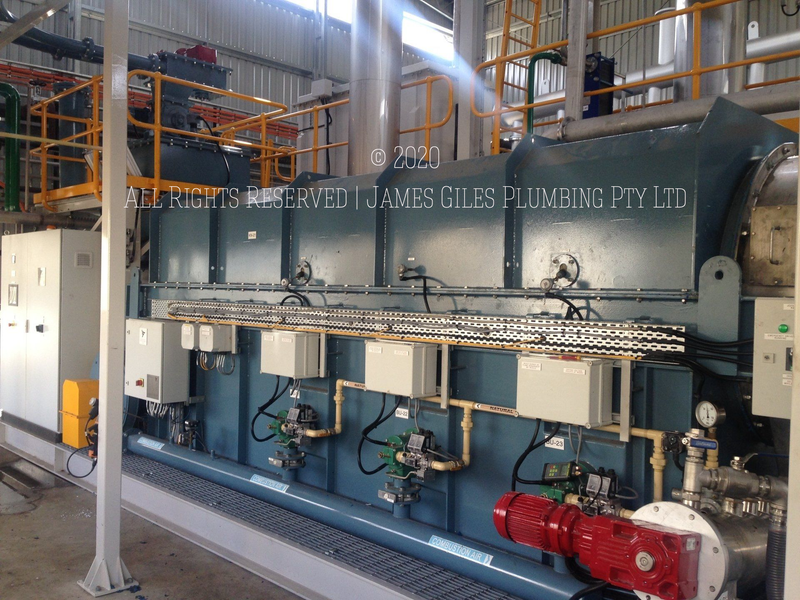
Typical Type B Gas equipment includes Boilers, Engines, Turbines, Furnaces, Kilns, Industrial Dryers, Ovens, Gas Flares, Enclosed Ground Flares, Cremators, Incinerators, Generators and Cogeneration Plants, Kettles and Vaporisers for Galvanising Kettles, Brew Kettles, Noodle Baths, Food Pots and Baths, Water and Waste Water Vaporisers, Thermal Oil Heaters, Direct and Indirect Spray Booths and Afterburners, Gas operating plant services above and below 50 GJ/h capacity.
These systems are commonly found in food and meat processing, manufacturing, mining, hospitals and power generation facilities.
WHO USES TYPE B GAS INSTALLATIONS?
Industrial Operators with high gas consumption rely on Type B Gas services to manage risk, meet regulatory obligations and keep production running.
Our clients include manufacturing plants, processing facilities, utilities and energy providers where gas systems sit at the heart of their operations.
These services are particularly important where unplanned shutdowns, compliance notices or inefficient combustion could lead to safety incidents, lost output or increased operating costs. The right specialist support can turn complex gas infrastructure into a stable, predictable asset.
FAQS ABOUT OUR GAS SERVICES
Why are Type B Gas Appliances treated differently from standard gas appliances?
Type B appliances are usually larger, higher-output and often custom to the site. Because of that, they don't come pre-certified like mass-produced domestic or small commercial units. Instead, each device must be assessed and approved individually, to confirm it meets the required safety, performance and compliance standards for its specific installation.
Does every Type B Gas appliance need to go through an approval process?
Yes. Before a Type B appliance can be installed or operated, it has to go through a formal approval process that reviews its design, technical details and safety controls. This ensures the appliance and associated gas system are fit for purpose and compliant with the relevant legislation and standards. Our team can also assist with retrospective approvals, if your team has inherited a system that has been altered and requires a new approval.
Is Type B Gas only relevant for very large Industrial Sites?
No. Type B Appliances are found across a wide range of industrial and commercial environments, from food and meat processing and manufacturing through to hospitals, utilities and energy facilities. Any site using higher-consumption or specialised gas equipment may fall under the Type B framework.
Can existing gas equipment be upgraded to meet Type B requirements?
In many cases, existing equipment can be upgraded, modified or re-documented to meet current Type B requirements, provided the underlying design and condition are suitable. This might involve changes to controls, safety systems, fuel sources, documentation or how the system is installed and operated.
What are the benefits of using a team experienced in Type B Gas approvals and services?
Working with a team that understands both the technical and approval aspects reduce the risk of delays, rework and non-compliance. It means system design, installation, commissioning and paperwork are aligned from the outset. That makes it easier to move from concept to approved, operating equipment, with clear accountability.
WHY CHOOSE JAMES GILES PLUMBING?
James Giles Plumbing offers Type B Gas services backed by both trade-level gas fitting capability and formal statutory approval authority. Our team combines hands-on industrial Plumbing and Gas experience with the authorisations required to certify Type B systems for use.
This dual capability means we can deliver services from design and installation through to formal approval and certification, without handing off critical steps to third parties. For clients, that means clearer accountability and smoother project delivery. It also means confidence that the same team who installs the system can sign it off for safe, compliant operation.
NEXT STEPS FOR GAS JOBS
Contact our friendly team on 0457 390 852 or send us a message. We're happy to provide more information, carry out a desktop review of your situation, or arrange a site visit to assess your needs in person.